Introduction
When it comes to maintaining our homes, roofs often take a back seat. They're out of sight, after all. But neglecting your roof can lead to significant problems down the line. One common method homeowners consider is spraying their roofs. But is it really a good idea? In this article, we’ll delve into the pros and cons of roof spraying, explore various cleaning methods, and answer some frequently asked questions regarding roof maintenance. So grab a cup of coffee, and let’s dive in!
Is Spraying My Roof a Good Idea?
Spraying your roof can be an effective way to clean and maintain it. However, whether it's a good idea or not depends on several factors, including the type of roofing material you have, the condition of your roof, and the environmental conditions affecting it.
What Are The Benefits of Spraying Your Roof?
Efficient Cleaning: Spraying can remove dirt, algae, moss, and other debris quickly. Cost-Effective: Compared to a full roof replacement, regular spraying can be less expensive. Aesthetic Appeal: A freshly sprayed roof looks cleaner and more appealing. Extends Roof Life: Regular maintenance through spraying may prolong your roof's lifespan.What Are The Drawbacks of Spraying Your Roof?
Potential Damage: If done improperly, spraying can damage shingles or tiles. Short-Term Solution: Spraying might not address underlying issues. Chemical Concerns: Some chemical cleaners can be harmful to plants or pets. Skill Required: It requires expertise for proper application; errors can lead to costly repairs.Is Roof Cleaning a Good Idea?
Absolutely! Cleaning your roof is essential for maintaining its integrity and aesthetic appeal. Regular cleaning helps prevent long-term damage caused by moss buildup or algae growth.
How Often Should Your Roof Be Cleaned?
Most experts recommend cleaning your roof every 1-3 years depending on the climate and surrounding vegetation.
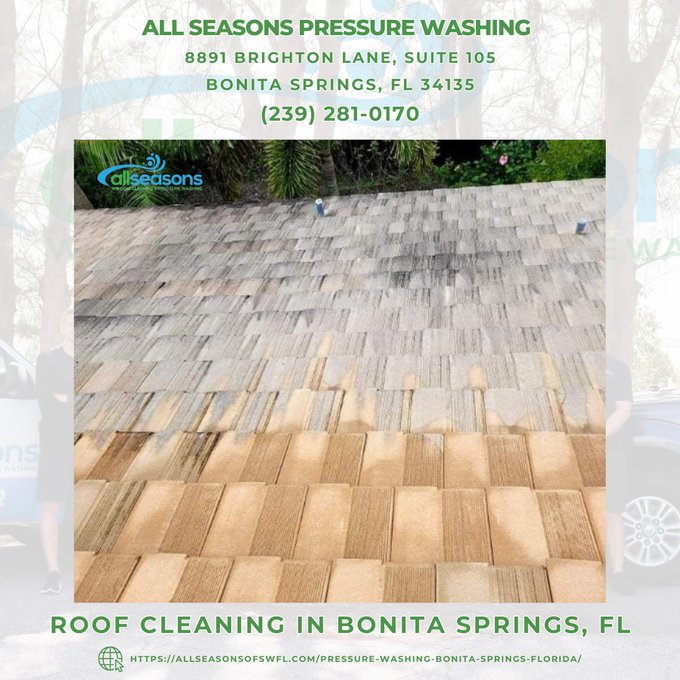
What is the Best Method of Roof Cleaning?
There are several methods for cleaning roofs:
- Pressure Washing: This method uses high-pressure water jets but may damage shingles if misused. Soft Washing: This involves low-pressure sprays combined with special cleaning solutions that are gentler on surfaces. Chemical Treatments: Certain chemicals are specifically designed for killing algae or moss.
Is Pressure Washing Your Roof a Good Idea?
While pressure washing can effectively clean roofs, it also carries risks such as more info dislodging shingles or causing leaks if used improperly.
Can I Clean My Roof Myself?
Yes! Many homeowners choose DIY methods for cleaning their roofs; however, safety should always come first:
- Use proper equipment like safety harnesses Avoid steep pitches Consider hiring professionals if you're unsure
How Much Does It Cost to Coat a Roof?
Roof coating costs vary widely based on size, material type, and labor charges but typically range from $1 to $5 per square foot.
What is Roof Cleaning Called?
Roof cleaning may also be referred to as "roof restoration" or "roof maintenance."
Can I Walk on My Roof to Clean It?
Walking on your roof can be dangerous; always ensure safety precautions are in place if you attempt this.
How to Make Your Roof Look New?
To rejuvenate your roof’s appearance:
Clean thoroughly using appropriate methods Apply protective coatings Replace missing or damaged shingles
What Happens If You Don't Clean Your Roof?
Neglecting roof maintenance can lead to significant issues such as mold growth, structural damage due to leaks, and reduced lifespan of roofing materials.
What is Soft Wash Roof Cleaning?
Soft washing uses lower pressure than traditional power washing while applying specialized chemicals effective against biological growth like algae or moss.
Does Roof Cleaning Extend the Life of a Roof?
Yes! Regular maintenance through cleaning can increase the overall lifespan of roofing materials by preventing deterioration.
What is The Best Roof Cleaning Method?
The best method often depends on the specific situation but soft washing is generally considered safe and effective without risking damage.
How Long Does It Take to Clean a Roof?
Cleaning times depend on size but usually fall between 1-3 hours for average-sized homes when using professional services.
Does Roof Coating Work?
Roof coatings serve as protective layers that can extend life by reflecting UV rays and resisting water penetration.
How Do I Clean My Roof Myself?
If you're inclined to DIY:
Gather necessary supplies (brushes, chemicals) Ensure safety measures (harnesses) Follow recommended techniques carefullyWhat Do Pros Use To Clean Roofs?
Professionals typically use soft wash systems combined with specialized eco-friendly chemicals tailored for different roofing materials.
Should I Clean My Own Roof?
Consider your comfort level with heights and tools before deciding whether DIY cleaning is appropriate for you.
What Are The Cons of Roof Cleaning?
While beneficial in many ways:
- Potential for damage Possible high costs if hiring professionals Time-consuming if done yourself
FAQ Section
1. What chemical is used to clean roofs?
Common chemicals include sodium hypochlorite (bleach) mixed with water or commercial products designed specifically for roofing materials.
2. Is steam cleaning a roof safe?
Steam cleaning can be safe but should be executed with caution as excessive heat might warp roofing materials.
3. How long does it take for roof cleaner to work?
Most cleaners require about 15 minutes up to an hour before rinsing; however drying times will vary based on conditions.
4. Should you rinse a roof after washing?
Yes! Rinsing helps remove leftover debris and chemical residues which could otherwise harm vegetation below.
5. How long is a roof supposed to last?
Most roofs last between 20-50 years depending on material quality and maintenance practices employed over time.
6. Can roof cleaning cause leaks?
Improper technique during cleaning could potentially dislodge shingles leading to leaks; hence professional help may be advisable in uncertain situations.
Conclusion
In summary—spraying your roof isn’t just about aesthetics; it’s crucial for preserving its integrity too! While there are distinct advantages such as enhanced appearance and longevity when done right—there are drawbacks worth considering like potential damage or environmental impacts from harsh chemicals used during these processes! Ultimately assessing whether "Is Spraying My Roof a Good Idea?" boils down largely into personal preferences coupled alongside practical evaluations concerning individual circumstances surrounding their specific rooftops!
By staying informed about proper care strategies regarding roofs—including understanding how often they should get cleaned—we ensure our homes remain safe while looking their best!